


Mobile Recovery vs Towing: What You Need
- contact972449
- Jun 26
- 6 min read
A car stops at the worst possible moment. You are on the way to work, collecting the kids, or heading home late, and suddenly you are stranded with one question: do you need mobile recovery or towing? When people search for mobile recovery vs towing, what they usually want is a quick, honest answer about what gets them moving again with the least stress, delay and cost.
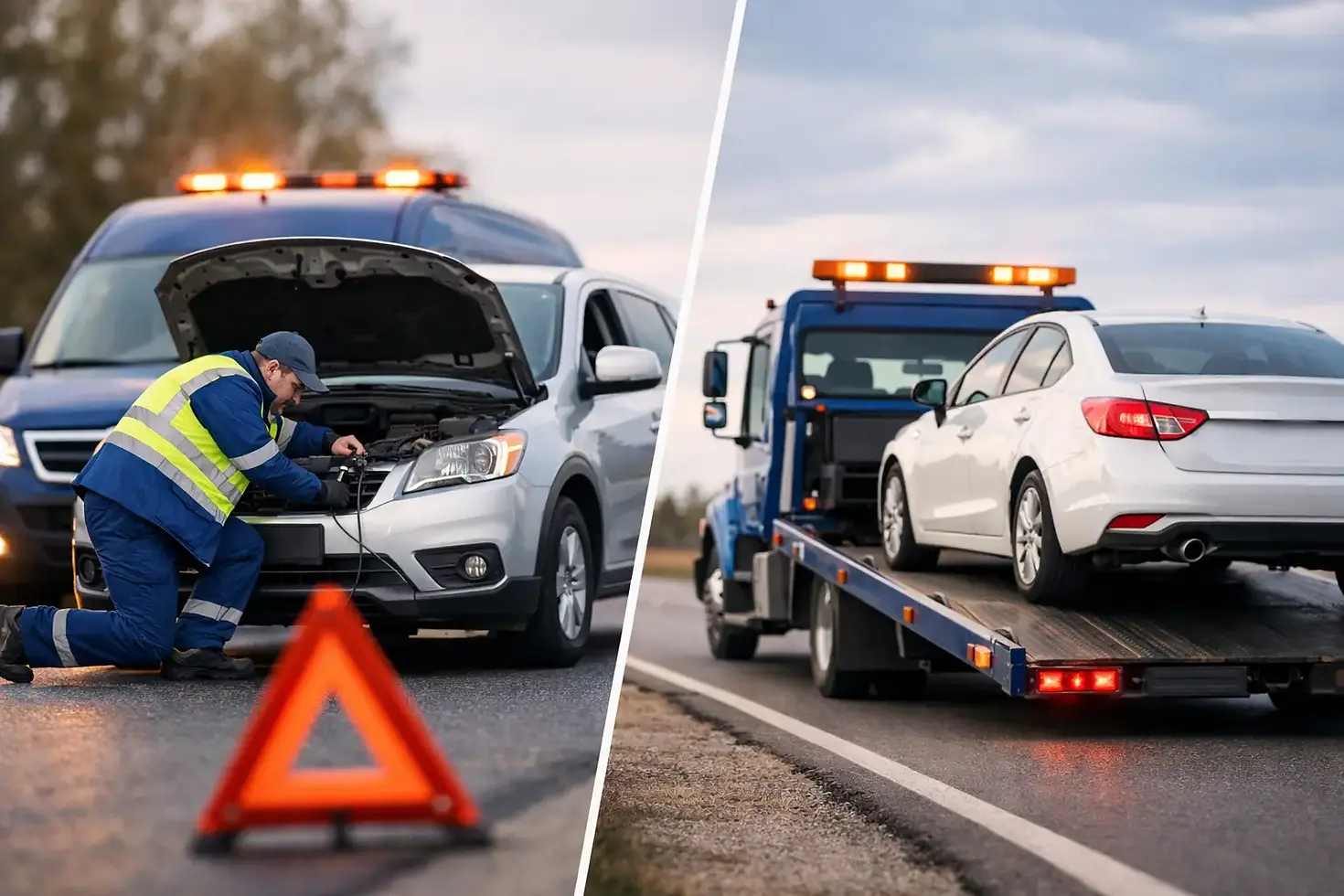
The short version is simple. Mobile recovery aims to fix the issue where the vehicle has broken down. Towing moves the vehicle to a safer place or a garage when it cannot be repaired at the roadside. Both matter, but they solve different problems.
Mobile recovery vs towing - what is the actual difference?
Mobile recovery is roadside help. A trained technician comes out with tools, diagnostic equipment and common parts or consumables to deal with faults that can often be sorted there and then. That might mean a flat battery, a puncture, a damaged tyre, a minor electrical fault, fuel issues, or a vehicle that will not start for a straightforward reason.
Towing is transport. If the car is not safe to drive, cannot be repaired on site, or has suffered a more serious failure, it needs moving. That could be onto a recovery lorry or by tow to a garage, home address or another agreed location.
For most drivers, the difference comes down to one thing: is the problem repairable where you are, or does the vehicle need to be taken elsewhere?
When mobile recovery is the better choice
Mobile recovery is often the fastest and most cost-effective option when the fault is limited and accessible. If your battery has failed, your tyre is flat, or your car has a minor issue preventing it from starting, roadside repair can save you the time and hassle of sending the vehicle to a workshop.
That matters if you are busy, travelling with family, or simply do not want a straightforward issue to turn into a full day off the road. In many cases, mobile recovery can get you moving within one visit.
It is also a good fit when the vehicle is otherwise sound. If there is no serious accident damage, no major fluid leak and no clear safety risk, a mobile technician can assess the problem and either fix it there or advise honestly if towing is the safer next step.
This is where experience counts. A good recovery operator does not force a roadside fix just because it is quicker. They look at what is safe, what is sensible and what gives the customer a clear result.
Common issues mobile recovery can often handle
A lot of breakdowns are frustrating rather than catastrophic. Flat batteries, wheel and tyre problems, jump starts, lockouts, fuel-related mistakes and some warning-light issues are all situations where mobile help may be enough.
That is especially useful for drivers with limited mechanical knowledge. You do not need to diagnose the fault yourself. You just need someone to arrive, check the vehicle properly and tell you plainly what can be done.
When towing is the right call
Sometimes the safest answer is not a roadside repair. If the engine has overheated badly, the gearbox has failed, the steering feels dangerous, or the vehicle has been in a collision, towing is usually the correct option.
The same applies when a repair would take too long at the roadside, requires workshop tools, or depends on parts that are not practical to carry in a van. A professional service should always put safety before convenience.
Towing also makes sense when your car is stuck somewhere risky. If you have broken down in a dangerous spot, on a busy road, or in a place where roadside work would not be safe, moving the vehicle first may be the priority.
There is no benefit in trying to save a little money on the wrong service if it leads to more damage or puts you at risk. A proper assessment is worth far more than guesswork.
Signs your vehicle probably needs towing
If there is heavy smoke, a strong burning smell, major warning lights with loss of power, visible suspension damage, or leaking coolant, oil or fuel, do not assume it can be patched up where it stands. Likewise, if the wheel is badly damaged, the car will not go into gear, or it has suffered impact damage underneath, towing is the safer route.
Even if the car still moves slightly, that does not mean it should be driven. A vehicle can be technically mobile and still unsafe.
Cost matters, but so does the right decision
Plenty of motorists naturally compare mobile recovery vs towing based on price first. That is understandable. Most breakdowns are unplanned, and nobody wants a bigger bill than necessary.
In many straightforward cases, mobile recovery is cheaper because there is no transport element and the issue can be sorted on site. But not always. If a technician attends, diagnoses a major fault and then towing is still needed, the final cost may be higher than if the vehicle had been recovered straight away.
That is why honest advice matters more than blanket promises. The cheapest option at the start is not always the cheapest outcome overall.
A trustworthy provider should explain what they believe is likely, what they can attempt safely, and when towing is the sensible choice. Clear pricing and clear communication make a big difference when you are already stressed.
Time and convenience are a big part of the decision
Roadside repair often wins on convenience. If the issue is fixable there and then, you avoid waiting for transport, arranging onward travel, and dealing with a garage booking afterwards. For commuters, parents and anyone working to a tight schedule, that can be the difference between a short delay and a day completely lost.
Towing, though, can actually save time when the fault is obviously more serious. Rather than spending an hour attempting a roadside fix that was never likely to work, a good operator may recommend moving the vehicle quickly so proper repairs can begin.
In areas across South Wales and the South West, where people may be travelling between work, school runs and longer regional routes, that judgement call matters. Fast help is useful, but correct help is what gets you back on track.
How to know which service to ask for
You do not need to have all the answers before you call. In fact, most drivers will not know whether the issue is recoverable at the roadside or not. What helps is giving a clear picture of what happened.
Say whether the engine turns over, whether there are warning lights, whether you heard a bang, whether there is a puncture, and whether the car feels safe where it is. Mention any leaks, smoke or unusual smells. If you have hit a pothole or kerb, say that too.
A proper breakdown service can usually form a sensible first view from those details. Sometimes they will send mobile recovery first because there is a strong chance of a quick fix. Other times they will advise towing immediately because the signs point to a bigger problem.
Neither answer is better in itself. The right answer is the one that protects your safety, your vehicle and your time.
Why local, practical support makes a difference
When you are stranded, you do not want vague promises or technical jargon. You want someone who turns up, checks the vehicle properly and tells you the truth. That is where a hardworking local service stands out.
A customer-first approach means not overselling towing when a simple roadside repair will do, and not attempting a temporary fix when the car clearly needs to be moved. It means treating each job as if it matters, because to the driver stuck at the roadside, it does.
That straightforward approach is what keeps people moving 24/7. It is also why many motorists prefer a family-run business that takes pride in doing things properly, rather than leaving them guessing.
The best choice depends on the fault
If you are weighing up mobile recovery vs towing, the honest answer is that it depends on the vehicle, the fault and the location. A dead battery and a flat tyre are very different from accident damage or a failed clutch. One may be fixed in a short visit. The other needs proper transport and workshop attention.
What you should expect from any service is simple: a quick response, clear advice, fair pricing and a decision based on safety rather than sales. If your car can be repaired where it stands, that is often the least disruptive outcome. If it cannot, getting it moved without delay is still the right kind of help.
When your plans have already been interrupted, the last thing you need is uncertainty. The best support is not just about vans, lorries or tools. It is about having someone on the other end of the phone who knows the difference, explains it clearly, and gets you to the safest next step.


Comments